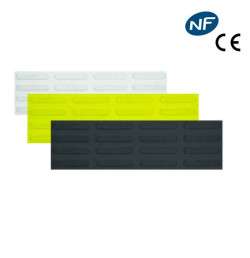
Directional Tactile Guidance Indicators
Directional Tactile Guidance Indicators are specialized ground surface systems designed to guide visually impaired and blind individuals along safe walking routes. Installed in public spaces, transport hubs, commercial buildings, and civic infrastructure, these indicators provide continuous tactile feedback underfoot, helping users navigate independently and confidently.
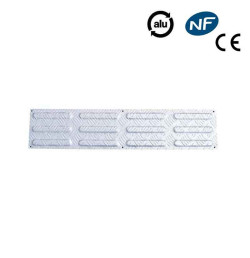
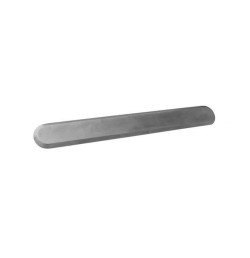
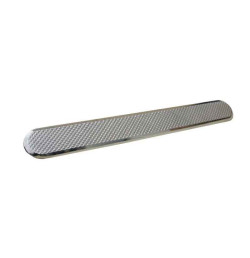

Directional Tactile Guidance Indicators are specialized ground surface systems designed to guide visually impaired and blind individuals along safe walking routes. Installed in public spaces, transport hubs, commercial buildings, and civic infrastructure, these indicators provide continuous tactile feedback underfoot, helping users navigate independently and confidently.
Unlike warning tactile indicators that signal hazards, directional guidance indicators feature raised linear bars arranged in parallel. These bars create a detectable pathway that can be followed with a cane or through foot contact, clearly indicating the intended direction of travel across open or complex spaces.
They are particularly effective in large pedestrian areas where natural guidance cues such as walls or curbs are absent. Common applications include railway and metro stations, airports, public plazas, government buildings, hospitals, educational campuses, and shopping centers. Directional tactile paths are often used to connect entrances to reception areas, elevators, ticket counters, or platform access points.
Manufactured from durable materials such as stainless steel, polyurethane, aluminum, or reinforced polymers, directional tactile indicators are built to withstand heavy pedestrian traffic and environmental exposure. Anti-slip finishes enhance safety in wet conditions, while high-contrast color options improve visibility for partially sighted users.
These systems can be surface-mounted onto existing floors or integrated directly into new construction projects. Modular strips or individual tactile bars allow precise installation according to accessibility design standards and building regulations.
Directional Tactile Guidance Indicators support inclusive design principles by improving mobility, autonomy, and safety for visually impaired individuals. They contribute to regulatory compliance while demonstrating a strong commitment to accessibility and universal access in public and professional environments.