Accessibility Equipment
Accessibility equipment plays a fundamental role in creating inclusive, barrier-free environments where every individual can move safely and independently. Whether in public institutions, commercial buildings, transport hubs, healthcare facilities, or industrial sites, well-designed accessibility solutions ensure equal access while supporting compliance with regulatory standards.
Designing accessible spaces is not only a legal requirement in many regions — it is a commitment to safety, dignity, and universal usability.
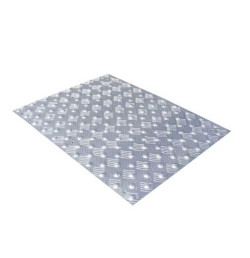
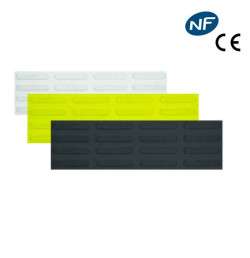
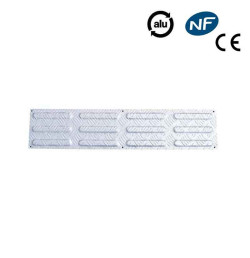
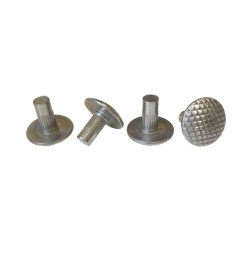

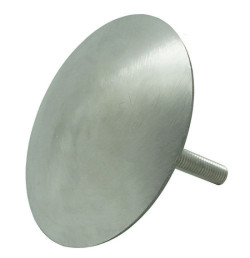
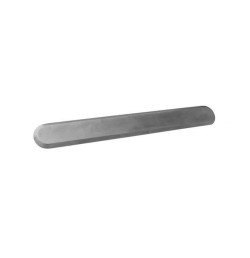
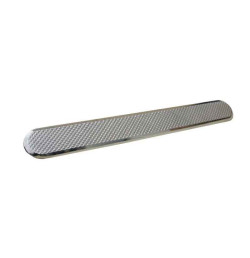
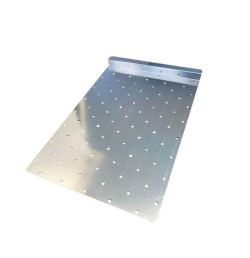
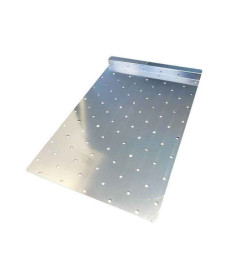

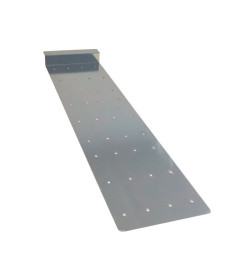
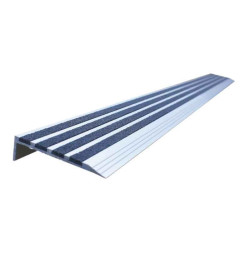
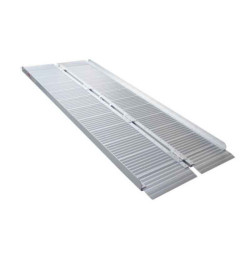
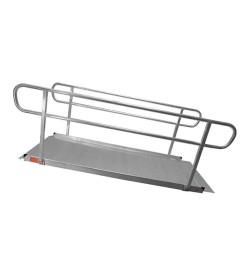
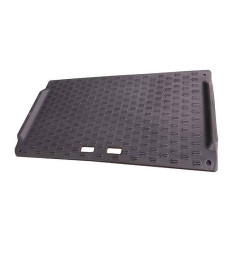
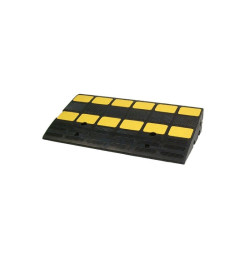
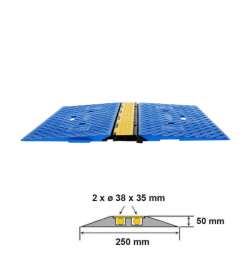
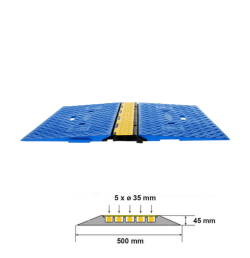
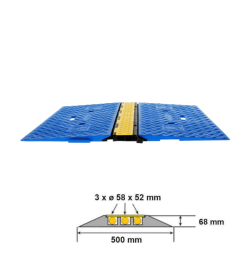
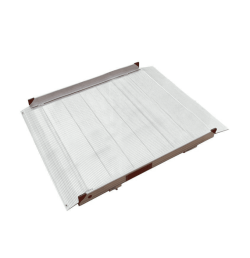
Accessibility equipment plays a fundamental role in creating inclusive, barrier-free environments where every individual can move safely and independently. Whether in public institutions, commercial buildings, transport hubs, healthcare facilities, or industrial sites, well-designed accessibility solutions ensure equal access while supporting compliance with regulatory standards.
Designing accessible spaces is not only a legal requirement in many regions — it is a commitment to safety, dignity, and universal usability.
Creating Inclusive & Barrier-Free Environments
Physical obstacles such as steps, narrow pathways, poor signage, or slippery surfaces can significantly limit mobility for people with reduced mobility, wheelchair users, elderly individuals, or visually impaired persons. Accessibility equipment helps eliminate these barriers and promotes smooth navigation throughout a facility.
Key solutions typically include:
-
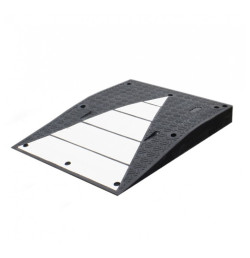
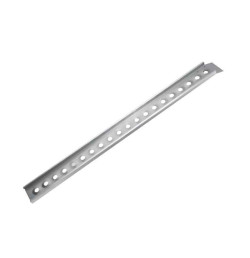
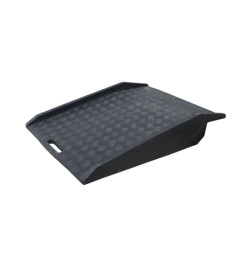
Access ramps and modular threshold ramps
-
Handrails and grab bars for secure support
-
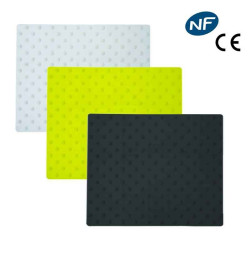
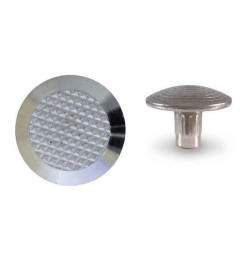
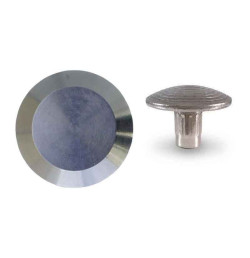
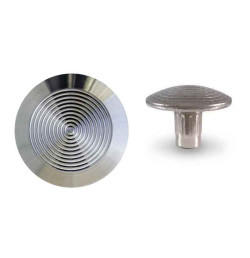
Tactile paving and ground surface indicators
-
High-contrast signage and wayfinding systems
-
Accessible parking equipment and markings
Each element contributes to a cohesive and intuitive accessibility strategy.
Safety, Compliance & Peace of Mind
Professional accessibility equipment is designed in accordance with established accessibility standards and building codes. Features such as non-slip surfaces, ergonomic dimensions, reinforced structures, and high-visibility markings enhance user safety while reducing liability risks for facility managers.
By implementing compliant accessibility solutions, organizations can:
-
Meet national and international accessibility regulations
-
Reduce accident risks
-
Improve user confidence and independence
-
Enhance the overall visitor experience
-
Demonstrate social responsibility
Accessibility is not an add-on — it is an integral part of responsible infrastructure planning.
Durable Solutions for Indoor & Outdoor Use
Accessibility equipment must withstand constant use and environmental exposure. Manufactured from galvanized steel, stainless steel, reinforced composites, and weather-resistant materials, these solutions offer long-term reliability with minimal maintenance requirements.
Supporting Independence & Equal Access
Beyond compliance, accessibility equipment empowers individuals by enabling autonomy and safe mobility. Clear pathways, stable support systems, and visible guidance create environments where everyone can navigate confidently.
Investing in professional Accessibility Equipment strengthens safety, improves usability, and promotes truly inclusive spaces designed for all members of the community.