
Construction Signs
Construction Signs are essential safety communication tools designed to warn, inform, and guide workers, drivers, and pedestrians around active worksites. Whether used on building projects, roadworks, maintenance operations, or infrastructure upgrades, these signs help clearly communicate hazards and instructions, contributing to safer and more organized environments.

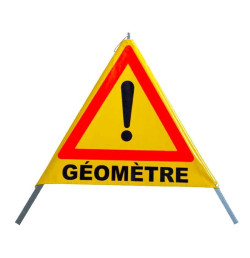
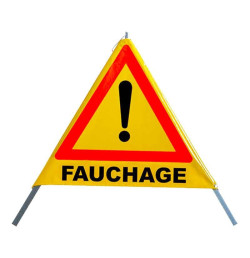
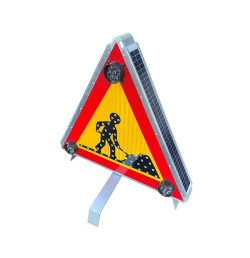
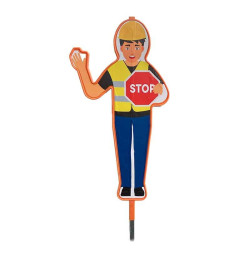
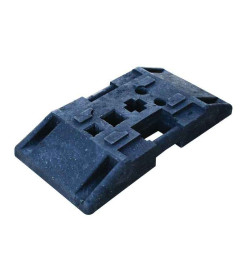
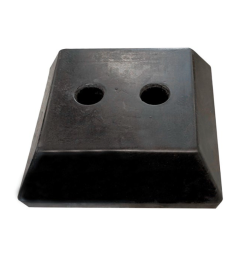
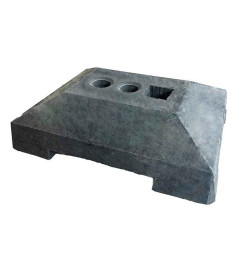
Construction Signs are essential safety communication tools designed to warn, inform, and guide workers, drivers, and pedestrians around active worksites. Whether used on building projects, roadworks, maintenance operations, or infrastructure upgrades, these signs help clearly communicate hazards and instructions, contributing to safer and more organized environments.
In dynamic construction settings where conditions can change rapidly, clear signage plays a critical role in reducing risks and ensuring that everyone on or near the site understands safety procedures. Construction signs help indicate potential dangers such as ongoing work, restricted access, moving equipment, or altered traffic patterns.
Manufactured from durable materials such as aluminum, rigid plastic, or composite panels, construction signs are built to withstand outdoor exposure, weather conditions, and repeated handling. Reflective surfaces enhance visibility in low-light or night-time conditions, ensuring that warnings remain clear at all times.
These signs are commonly used to mark work zones, redirect traffic, highlight mandatory protective measures, and identify temporary site rules. Portable sign stands and foldable frames allow quick installation and repositioning as project layouts evolve, making them ideal for temporary applications.
High-visibility colors and standardized symbols ensure instant recognition and effective communication across diverse audiences. By providing clear instructions and warnings, construction signage supports compliance with safety regulations and helps minimize confusion in busy work environments.
Construction signs contribute to improved hazard awareness, better traffic management, and safer working conditions. They are a fundamental component of any comprehensive site safety strategy, helping protect both workers and the public throughout the duration of a project.